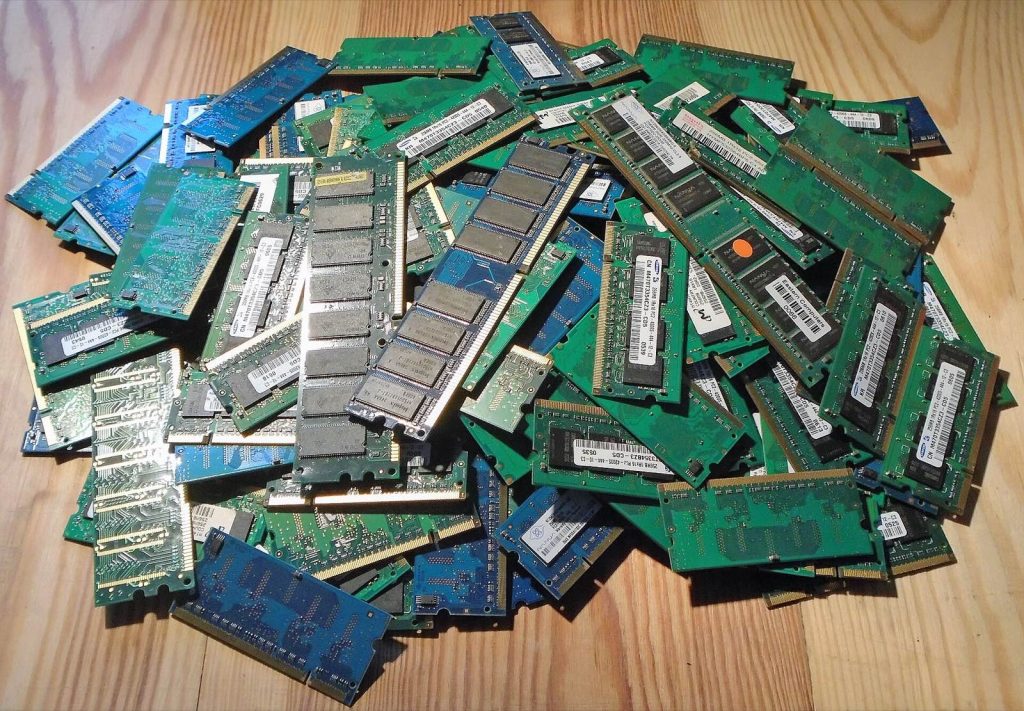
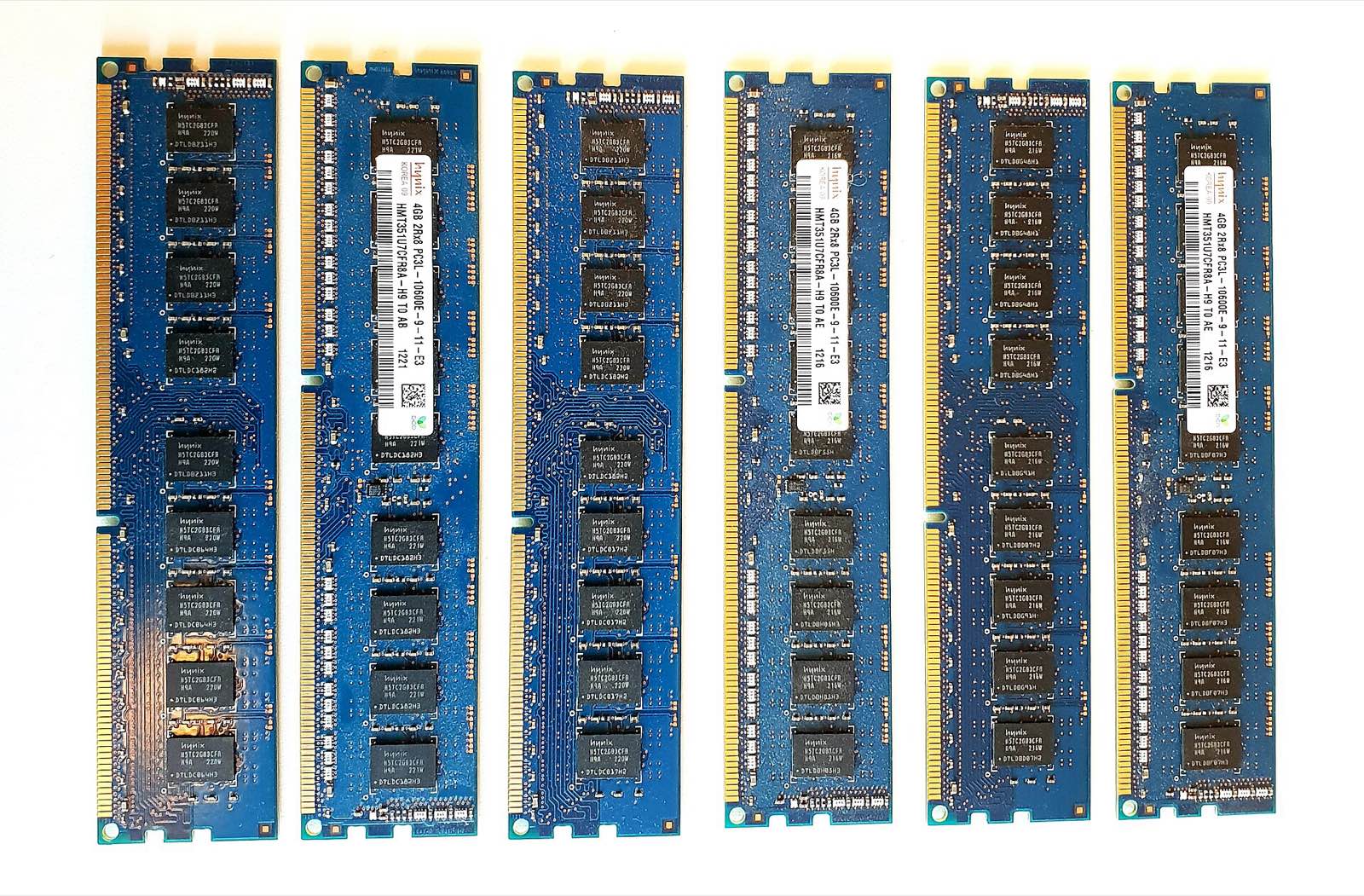
For most of the past decade, the price of computer memory fell steadily, and IT budgets quietly benefited. That ended abruptly in late 2025. As cloud providers raced to build AI data centres, memory makers shifted production towards the high-bandwidth memory and server modules those systems need, leaving less ordinary DRAM and flash storage for laptops, desktops and phones. Contract prices jumped at a pace not seen in years, PC makers announced price increases, and analysts cut their forecasts for device shipments. The shortage is expected to last well into 2027, which makes it a real factor in next year’s budget. This guide explains what is happening, what the forecasters expect, how it affects the price of laptops, phones and servers, and practical ways to plan around it.
Why memory is suddenly scarce
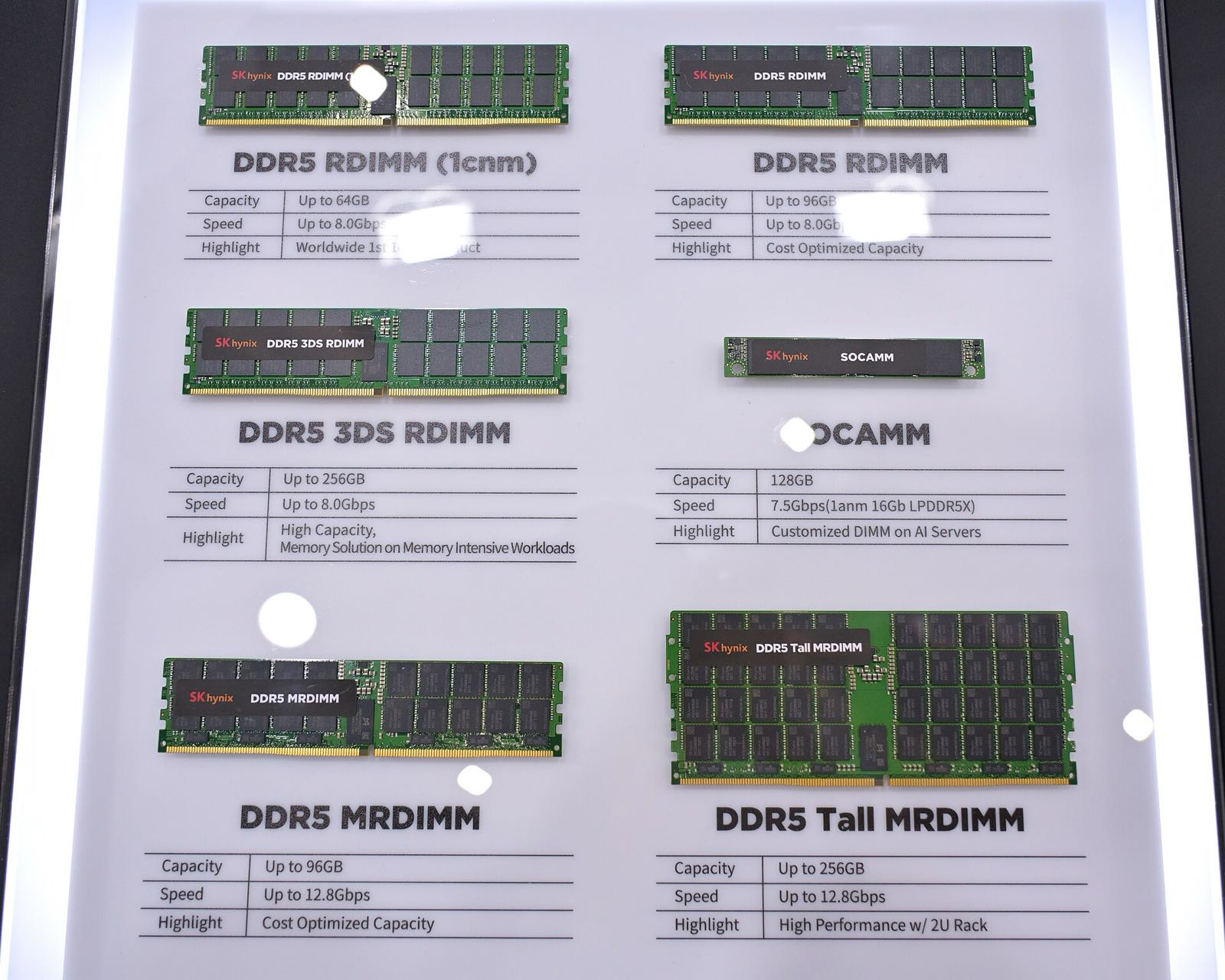
Only three companies make most of the world’s DRAM, and a handful make most NAND flash. Building new factories takes years, so supply cannot respond quickly to sudden demand. AI accelerators need large amounts of high-bandwidth memory, and AI servers carry far more conventional memory than typical servers. Because those products are more profitable, manufacturers prioritised them. IDC expected DRAM supply to grow only around 16% and NAND around 17% in 2026, below historical norms, while demand from data centres grew much faster.
The result is a market where memory buyers compete with the largest technology companies on earth. PC and phone makers, who buy memory on contracts, have seen those contracts reset at much higher prices, and retail prices for memory modules and SSDs have followed. Our earlier article on SSD and memory prices in 2026 tracked the first stage of the increase.
What the forecasts say
| Forecaster | Forecast | Detail |
|---|---|---|
| TrendForce | PC DRAM contract prices up 90% to 95% quarter on quarter in Q1 2026 | A record increase |
| IDC (Feb 2026) | PC shipments down 11.3% in 2026 | Revenue up 1.6% as average prices rise; flat in 2027, rebound in 2028 |
| IDC (Feb 2026) | Smartphone shipments down 12.9% in 2026 | Growth of 1.9% in 2027 |
| Gartner | PC shipments down 10.4%, smartphones down 8.4% in 2026 | Compared with 2025 |
| IDC analyst comment | Memory price stability possibly not until late 2027 | Shortage persists through 2026 and well into 2027 |
Forecasts were revised downwards several times during the year, which shows how uncertain the situation is. The consistent message is fewer devices sold at higher average prices, with relief unlikely before the second half of 2027.
How it shows up in prices
Memory and storage are a significant share of device cost. IDC estimates memory accounts for around 10% to 20% of the cost of building a smartphone, and the share is similar in many laptops. When memory prices double, device makers either raise prices, reduce the memory in base models or cut margins elsewhere. Lenovo, Dell, HP, Acer and ASUS all warned business customers of tougher conditions, with price increases of 15% to 20% and contract resets.
| Item | Typical effect | What to watch for |
|---|---|---|
| Business laptops and desktops | Higher list prices; fewer discounts | Base models with 8GB memory or small SSDs |
| Smartphones | Price rises, especially mid-range | Less storage at the same price |
| Memory and SSD upgrades | Much higher retail prices | Upgrades no longer a cheap way to extend life |
| Servers | Large increases for memory-heavy configurations | Longer lead times |
| Cloud services | Slower price cuts; some increases for memory-rich instances | Renewal pricing |
Budget planning for 2027
For 2027 budgets, the safest assumption is that hardware will cost noticeably more than in 2025 for the same specification. A practical approach is to add a contingency of 15% to 25% to device and server lines, and to separate essential replacements from discretionary upgrades. Essential replacements include devices that are failing, out of security support or unable to run required software. Discretionary purchases, such as refreshing working laptops on a fixed cycle, can often be deferred by six to twelve months.
- Update your device inventory with age, specification, warranty and support end dates.
- Identify devices that must be replaced for security reasons, such as hardware that cannot run supported operating systems.
- Add a contingency for device and server prices, and agree what happens if it is not needed.
- Ask suppliers about price protection, framework agreements and lead times.
- Consider leasing or device-as-a-service where it spreads cost predictably.
An accurate asset register makes these decisions much easier. Our guide to IT asset management for small business explains how to build one quickly.
Ways to stretch hardware further
- Buy the right configuration once. With upgrades expensive, choose enough memory at purchase, typically 16GB for office laptops and more for AI or creative work.
- Extend device life where safe. Replace batteries and keyboards, reinstall cleanly, and keep devices that still receive security updates.
- Redeploy rather than replace. Move higher-specification machines to demanding roles and older ones to lighter tasks.
- Standardise models. Fewer models mean better pricing, easier spares and simpler support.
- Consider refurbished business devices from reputable suppliers for lighter roles.
- Avoid speculative stockpiling. Buying far ahead ties up cash and risks devices sitting unused.
AI features are also pushing up memory requirements. Laptops marketed as AI PCs need more memory to run models locally, and our explainer on AI PCs and NPUs covers whether those features justify the extra cost for your staff. For many roles, a standard business laptop with 16GB remains sufficient through 2027.
Cloud and servers
Servers feel the shortage most, because modern servers carry large amounts of memory. Organisations planning on-premises refreshes should get quotes early, expect longer lead times and consider whether some workloads would be cheaper in the cloud during the shortage. Cloud providers also pay more for memory, so price cuts on cloud instances have slowed, but they spread the cost across many customers and let you scale down when demand falls.
For workloads that run steadily, reserved cloud capacity or savings plans can lock in today’s prices. For irregular workloads, the cloud’s ability to turn capacity off is valuable when hardware is expensive. Either way, right-sizing virtual machines and databases, which are often provisioned with far more memory than they use, is the quickest saving.
Our cloud solutions team can compare on-premises and cloud options for upcoming refreshes and help right-size existing cloud workloads to offset rising hardware costs.
Frequently asked questions
Why are memory prices rising?
AI data centres need large amounts of memory, and manufacturers have prioritised those products, leaving less supply for PCs and phones.
How long will the memory shortage last?
Forecasters expect it through 2026 and well into 2027, with stability possibly not until late 2027.
Will laptop prices go up?
Yes. PC makers have warned of increases of around 15% to 20%, and discounts are less common.
Should we buy laptops now or wait?
Replace devices that are failing or out of support now; defer discretionary refreshes where you safely can.
Is it still worth upgrading memory in old laptops?
Less so than before, because upgrade prices have risen sharply. Compare the cost with replacement first.
Planning hardware or server refreshes for 2027? Get in touch with Eudora Technology to talk about your project.
Sources
- Higher ASPs, lower unit volumes: how the memory crisis is reshaping the PC and smartphone outlook
- Memory shortage could push PC shipments to pre-pandemic lows
- 2026 will bring sharpest PC declines in over a decade
- Memory shortages raise PC and smartphone prices in 2026
- Experts warn PC prices could rise even more in 2026 as RAM costs set to soar higher